
Stay informed
Unpublished Opinions


'Buy Canadian' policy could cost taxpayers $12B per year, warns think tank
OTTAWA — A new study from free-market think tank the Montreal Economic Institute finds that new federal procurement rules favouring domestic firms will lead to costlier projects, shoddy infrastructure and make Canadians worse off.
The study estimates that the federal government’s Buy Canadian policy , which came into effect in December, could inflate the cost of large infrastructure projects by more than $12 billion per year, with taxpayers footing the bill.
Vincent Geloso, the study’s author and a professor of economics at George Mason University in Fairfax, Va., says that, while sold as a way to strengthen Canadian industry, the preferential rules will only coddle domestic firms to their own detriment.
“The reduced competition faced by Canadian businesses makes them lazier, as their need to innovate is reduced,” said Geloso. “By making less of an effort to reduce costs and improve quality in a context of protection, our firms end up becoming less competitive on global markets.”
The Buy Canadian policy, which currently applies to federal contracts worth $25 million or more, gives domestic suppliers extra points in their bid evaluation. It also assesses all bids, domestic and foreign alike, on whether they source inputs from Canada and employ Canadian workers.
The rules will be extended to contracts worth between $5 million and $24 million later this year.
Geloso says there’s no shortage of examples showing that procurement protectionism like the Buy Canadian policy leads to governments paying more and getting less. One California state program offering local businesses a five per cent bid preference drove up costs by between 1.4 and 3.6 per cent. Applied to Canada, this translates to between $4.8 billion and $12.2 billion annually.
He adds the “Canadian jobs” argument also fails to withstand scrutiny, pointing to a recent study showing that “Buy American” provisions south of the border cost the economy up to US$237,000 for every domestic job they create, far in excess of the average wage.
“What you’re doing is protecting a narrow group of workers, with the trade-off being more expensive government services and a worse allocation of taxpayer dollars,” said Geloso. “It’s wishful thinking to pretend that this won’t affect other Canadian jobs.”
Geloso said research clearly points to the optimality of open, transparent government bidding processes that keep a level playing field between foreign and domestic firms. He conceded that this may not be the most politically expedient route for Canadian policymakers to take with economic nationalism on the rise.
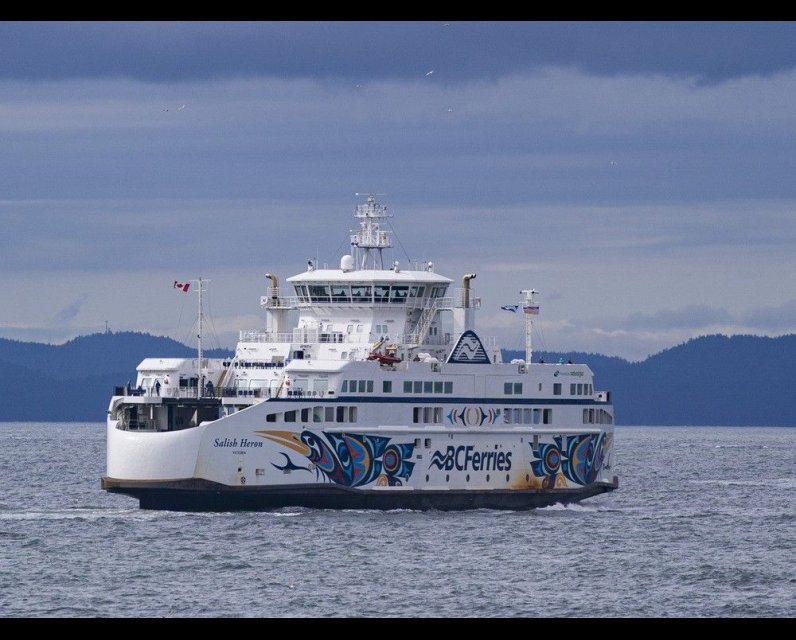
BC Ferries, for example, was recently criticized by both major federal parties for awarding a large shipbuilding contract to a Chinese state-owned shipyard.
Geloso said that the national security concerns raised by critics of the BC Ferries-China deal, such as the encryption and storage of relevant data, can easily be dealt with through the proper vetting of potential vendors.
He offered some pithy guidance for officials who are wary of triggering a similar political backlash over foreign procurement deals.
“My advice would be to get a spine,” said Geloso.
National Post rmohamed@postmedia.com
Our website is the place for the latest breaking news, exclusive scoops, longreads and provocative commentary. Please bookmark nationalpost.com and sign up for our daily newsletter, Posted, here.

Unpublished Newswire

Comments
Be the first to comment