
Stay informed
Unpublished Opinions



Toronto plastic surgeon must pay $22.5M in damages for violating patients' privacy with clinic cameras
A Toronto plastic surgeon has been ordered to pay $21.5 million, plus $1 million in punitive damages, to former patients after an Ontario judge ruled that he violated their privacy by installing 24 cameras around his clinic, including in sensitive treatment areas.
The ruling came out of the common issues portion of a class action suit against Dr. Martin Jugenburg, best-known for performing breast augmentations, Brazilian butt lifts, and tummy tuck procedures.
The plaintiffs claimed that Jugenburg and his company were negligent in operating the video surveillance system, committing breach of fiduciary duty towards their patients, as well as a breach of trust and the tort of “intrusion upon seclusion” against the class of plaintiffs represented by the lawsuit.
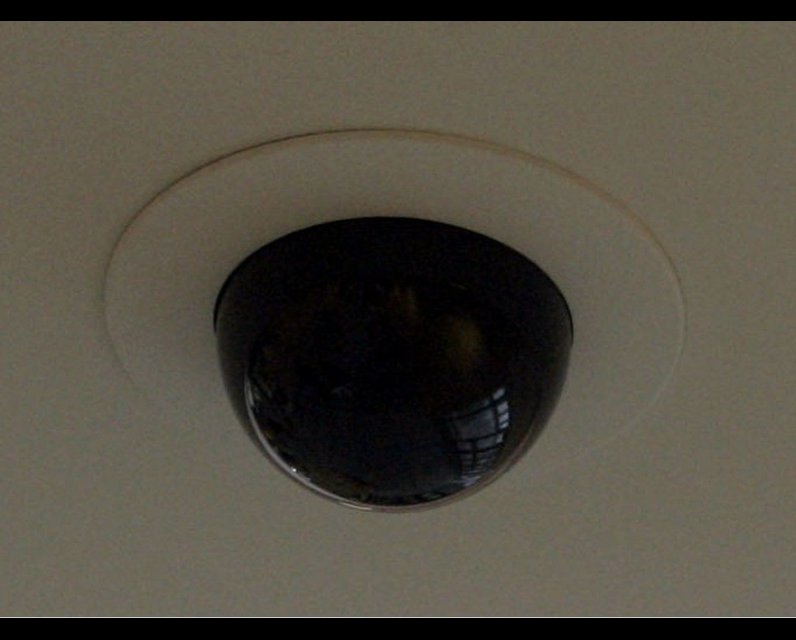
According to the court, the cameras were located in areas where patients would expect privacy, including consultation, examination, and operating rooms and the post-operative recovery area. The small devices were attached to the ceiling in the room corners.
Photographs presented at the trial showed the cameras were not concealed, however the court noted they were in the ceiling and went unnoticed by most people.
The surveillance system was first exposed in a 2018 CBC Marketplace undercover investigation.
Marketplace contacted Ontario’s medical regulatory body, the College of Physicians and Surgeons of Ontario (CPSO), as well as the Office of the Information and Privacy Commissioner of Ontario (IPC) regarding the cameras. CPSO then went to the clinic, disabled the camera system and subsequently removed digital video recorders that contained footage from the camera system. It also started an investigation into Jugenburg’s conduct.
The IPC eventually released a decision that the clinic’s blanket use of surveillance cameras contravened the Personal Health Information Protection Act.
Prior to the CBC investigation, states the court decision, the only sign inside the clinic warning patients of surveillance cameras was obscured on a shelf in the clinic operating room. There were no signs anywhere else in the clinic, including the consultation or examination rooms where patients would be required to undress.
The class-action was begun in November 2019.
Justice Paul Schabas concluded that the defendants were negligent in operating the surveillance video system in private areas of the clinic without the knowledge or consent of patients.
“I find as well that it is appropriate to make an award of aggregate damages arising from the tort of intrusion upon seclusion totalling $21,500,000. I also find that it is appropriate to award $1,000,000 in punitive damages. As the other torts are dependent on proof of some actual harm, counsel shall confer and provide me with a proposed process to address individual claims for damages for negligence and breach of fiduciary duty.”
The protection of patient confidentiality and medical records is an important public interest, Schabas said, and the evidence from patients about their medical treatment was that it was often “highly personal and intimate, disclosure of which would go beyond mere embarrassment.”
Schabas rejected Jugenburg’s defence that the cameras were installed as a general security measure. He found that Jugenburg’s evidence was neither “credible (nor) reliable.”
He also found that the clinic did not take any steps to inform patients about the surveillance cameras, and, further, that they were used exclusively to resolve disputes in Jugenburg’s favour.
While, the common-issues phase of the class action is finished, the judge said individual claims for aggravated damages related to mental distress and humiliation suffered by the plaintiffs can still be pursued.
Our website is the place for the latest breaking news, exclusive scoops, longreads and provocative commentary. Please bookmark nationalpost.com and sign up for our daily newsletter, Posted, here.

Unpublished Newswire


Comments
Be the first to comment