
Stay informed
Unpublished Opinions



'Direction is clear' on MAID, Carney says, after report recommends against expansion
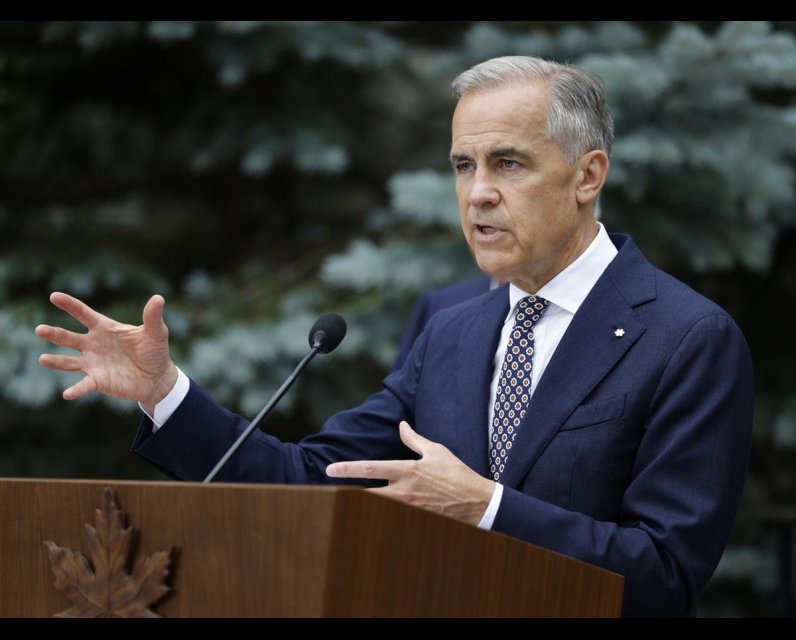
OTTAWA — Prime Minister Mark Carney says the decision on whether to expand eligibility for assisted dying is not a “personal matter” for him, but believes the direction for the government to take is “clear.”
Carney made the comment a little over a week after a joint parliamentary committee struck to study the issue of expanding eligibility to include those seeking an assisted death solely on the basis of mental health recommended that his government “indefinitely exclude persons” from being able to do so.
Asked about his views on the issue Friday, Carney, speaking in French, said it will be a government decision to make.
“There’s a report, after much deliberation and many testimonies. So, I think it’s significant. But this isn’t a personal matter; it’s a matter of the rights of Canadians, and the medical evidence and expert advice. So, we’ll make a decision, but it seems to me the direction is clear,” he said in French.
Members of Parliament have until July 11 to offer their opinions on the report’s recommendation. Justice Minister Sean Fraser, speaking before the report was released, has so far only said he would take the time to read it.
The House of Commons is set to return in late September, meaning any proposed changes to the law would not be able to be tabled in legislation until the fall.
Expanding Canada’s assisted-dying regime to include those seeking it only on the basis of mental health has been twice delayed, with the latest timeline set for the expansion to take effect being March 2027.
Assisted dying has been legal in Canada since 2016, following a 2015 Supreme Court of Canada ruling that struck down the prohibition against a doctor assisting someone end their own life.
The Liberals’ initially introduced a system where the criteria for someone being able to seek an assisted death was that their natural death had to be “reasonably foreseeable.”
Following a 2019 court ruling in Quebec that found that criteria to be unconstitutional, the federal government amended the law in 2021 to remove the requirement and put into place a sunset clause for when the prohibition would eventually lift for individuals seeking an assisted-death solely on the basis of suffering from mental illness.
Since then, a fierce debate has erupted over the impacts of Canada’s widened criteria and whether the federal government ought to move ahead with lifting the mental illness exclusion.
Proponents of removing that prohibition, such as Dying with Dignity Canada, argue not allowing those living with mental suffering to be able to have the same access to an assisted-death as those living with physical suffering infringes on their Charter rights.
Meanwhile, groups of psychiatrists say that determining whether someone suffering from a mental illness will never recover is near impossible. Other disabilities and mental health advocates warn that expanding eligibility puts already vulnerable persons at further risk and argue that the government’s focus should instead be on providing them with the necessary supports.
The joint parliamentary committee tasked with studying the issue heard from 44 witnesses. Some senators who authored a dissenting report on the recommendation decried how they felt the witness list was filled with individuals and organizations that have publicly supported halting the expansion, saying its ultimate finding lacks the rigour to be considered evidence-based and instead recommended that the federal government put forward a reference case to the Supreme Court.
The Bloc Quebecois also wrote a dissenting report, recommending the same.
Marcus Powlowski, the Liberal MP who co-chaired the committee and previously worked as an emergency physician, has defended the process the committee undertook in its selection of witnesses.
According to the final report, the committee had four different options to consider, but ultimately recommended “that the Government of Canada amend the Criminal Code to indefinitely exclude persons whose sole underlying medical condition is a mental illness from eligibility for medical assistance in dying.”
National Post, with files from Sharon Kirkey
Our website is the place for the latest breaking news, exclusive scoops, longreads and provocative commentary. Please bookmark nationalpost.com and sign up for our politics newsletter, First Reading, here.

Unpublished Newswire


Comments
Be the first to comment