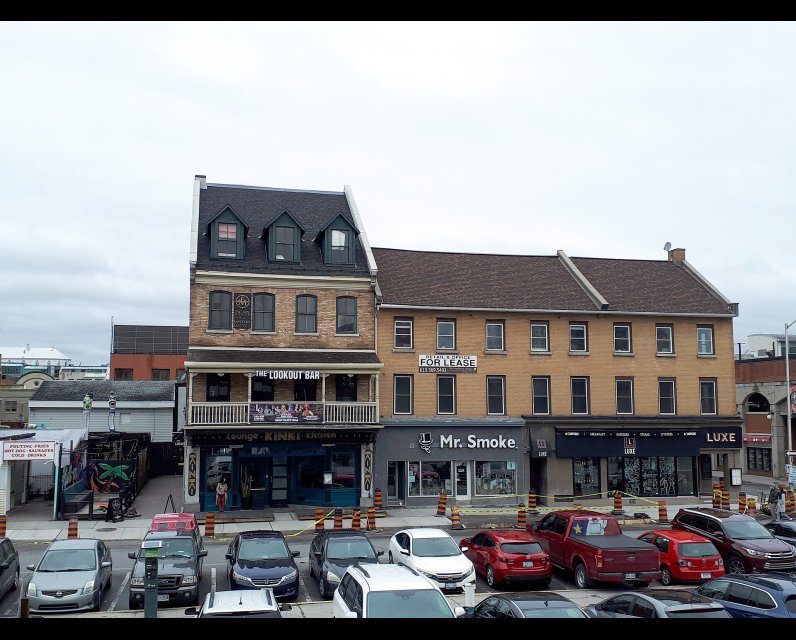
The Ottawa ByWard Market is a historic and iconic tourism hub in downtown Ottawa, yet we are witnessing it die a slow, painful death. This is largely because the area has been reduced to an ugly, gridlocked parking lot.
Instead, it should look to the Toronto Distillery District for inspiration. When the Distillery District officially opened to the public on May 22, 2003, following an extensive renovation and redesign, its developers completely banned car traffic. From the very beginning, they envisioned it as a dedicated, car-free, pedestrian-only village focused on heritage preservation, arts, culture, independent shops, and community gatherings.
Without the intrusion of traffic, the area's 40 restored Victorian industrial buildings function entirely as a pedestrian promenade, which even hosts a wonderful outdoor Christmas Market every December.
The potential for a similar experience in Ottawa is immense. The ByWard Market is perfectly situated in the absolute heart of the city's cultural core, bordered by Parliament Hill, the Rideau Centre O-Train subway station, the historic Notre-Dame Cathedral Basilica, the Rideau Canal, and the National Gallery of Canada.
To unlock this potential, Ottawa needs to take bold action. First, the city must tear down the multi-story, city-run parking garage between York and Clarence streets, redeveloping an entire block of Ottawa’s most valuable, retail-friendly real estate. The irony of the city occupying its own best retail space with a parking lot is truly ridiculous. Next, George and York streets should be closed to regular traffic between Sussex and Dalhousie, allowing only delivery vehicles - and preferably only during off-peak hours.
When the time comes to repave the area, the city should replace the asphalt with interlocking stones and implement a full network of dedicated bicycle lanes throughout the entire Market.
Crucially, physical infrastructure is only half the battle. The city must also confront the crisis unfolding on its streets. The area between the Rideau Centre and King Edward Street has become an absolute blight, and the city needs to actively clean up and address the open drug crisis that currently makes this stretch feel unsafe and repugnant to visitors and residents alike. A true revitalization requires a commitment to public safety and social support so that the streets are clean, secure, and welcoming.
By transforming the Market into a world-class pedestrian zone, Ottawa wouldn't just fix a single neighborhood; it would create a vibrant anchor that naturally feeds tourists and foot traffic into surrounding areas like Rideau Street, Elgin Street, and Sandy Hill, lifting the entire downtown economy.
It is time for Ottawa to ban cars in the ByWard Market, litter the streets with Adirondack chairs, and plant hardwood trees down the center of the thoroughfares. Canada’s national capital needs to find its inspiration, and transforming the ByWard Market is exactly where that transformation should begin!




Comments
Be the first to comment