Canada’s trade strategy stalled in late 1982 and 1983. That year, the Macdonald Royal Commission, created by Prime Minister Pierre Trudeau and led by Donald S. Macdonald, delivered a fateful verdict: prioritize free trade with the United States. It completely ignored the need for Canada’s own ocean ports, rail networks, and coastal pipelines. Anchoring Canada’s future to the American market at the expense of global diversification created massive political risk and was a critical economic blunder. Since that time, we've had 8 Prime Ministers come and go.
By tethering Canadian exports to American markets instead of building global trade infrastructure, Ottawa locked the nation into a regional footprint and sacrificed international geopolitical leverage. Whether driven by honest miscalculation or compromised leaders, prioritizing continental integration over global reach crippled Canada's economic independence. Decades later, that mistake is finally being corrected with the trade deals Canadian Prime Minister Mark Carney has been making over the last 12 months. We had a trade deal with the US, and the US broke the deal - that they themselves brokered with illegal tariffs. Despite what the US State Department wants, Canada must always diversify risk going forward!
The Southwestern U.S. faces an existential water crisis. As illegal CUSMA tariffs proved, paper agreements won't stop American overreach. Unless cost-effective desalination emerges, they are coming north for Canadian water. History shows that resource starvation triggers immediate aggression; the violence in New Orleans, Louisiana, after 2005's Hurricane Katrina was a stark preview of American behavior under severe stress compared to, say, the citizens of Ukraine. Our national security, military, and intelligence agencies had better be warning Ottawa now.
Proponents of a "Canada First" approach often overlook a key fact - nations with nuclear capabilities are rarely, if ever, annexed. This is a lesson Ukraine is learning through painful experience. Canada stands alone in this geopolitical landscape, and perhaps the examples of Ukraine and maybe Taiwan offer valuable insights worth heeding. As Henry Kissinger once observed, "It may be dangerous to be America's enemy, but to be America's friend is fatal." Canada’s military and security intelligence apparatus must accept this new reality and adapt to the possibility of the United States becoming an aggressive adversary.
On March 4, 2025, Rep. Carlos Gimenez, referring to Trump's 25% tariffs on Canada while speaking on CNN, alluded to military strikes on Canada as a potential option, stating: "Instead of taking kinetic action, we’re taking economic action to protect American lives."
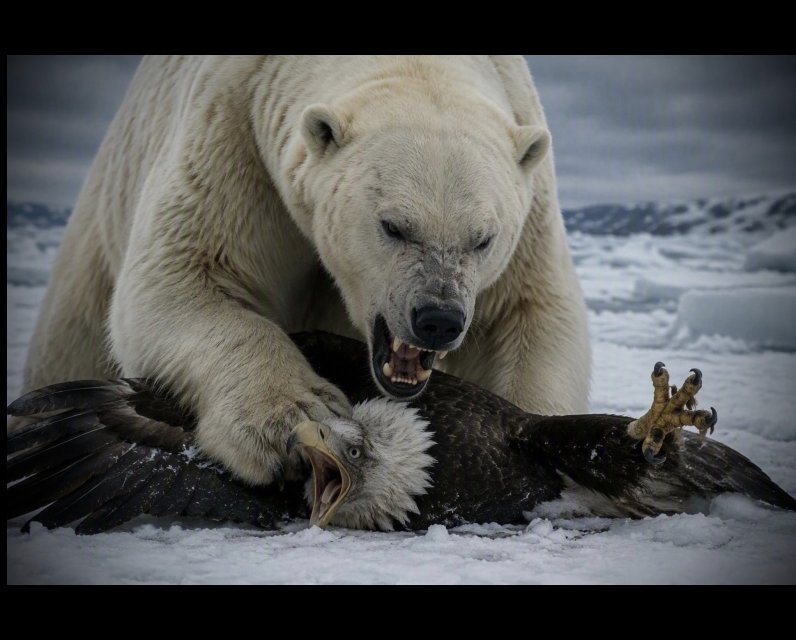
Let that sink in, and an American representative from Florida who was democratically elected is talking about military action on Canada during peacetime - an elected U.S. official introduced military violence into a trade conversation. This is from people we are told are our friends and allies. Let's forget that the white House and State Department online channels recently shared an image of what looks like an American eagle attempting to kill a Canada goose...
So yes, one clear path forward could be developing a nuclear program, leveraging Canada’s world-class uranium reserves in Saskatchewan - a key component of nuclear technology. Building military and scientific strength while also diversifying trade to ensure sovereignty is critical for Canada’s future. In an era of shifting global alliances and increasing competition for resources, Canada must prioritize strengthening our defense capabilities and technological innovation. Beyond security, this initiative could spur scientific and academic research in Canada, attracting top talent from around the world to what could be our cutting-edge programs.
In the end, remember: good Canadian hearts make poor wartime generals. If an eagle tries to land, don't be a dove - be a polar bear.




Comments
Be the first to comment