
Stay informed

More than half of provinces and territories reject role in federal gun 'buyback'
OTTAWA — Police and political leaders in more than half of Canada have so far rejected taking any part in the federal government’s firearms compensation program.
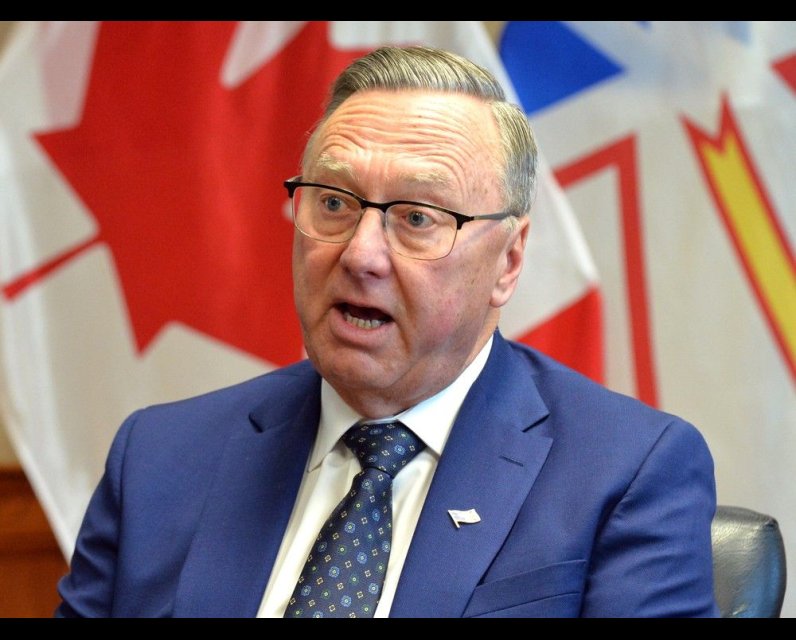
Newfoundland and Labrador was the latest province to confirm it has no intention of participating, with the province’s premier saying in Ottawa on Wednesday that while he supports Prime Minister Mark Carney in many areas, this is one where he disagrees.
“When you have law-abiding citizens — these are not the problem,” said Newfoundland and Labrador Premier Tony Wakeham, who is in Ottawa for two days worth of meetings with other provincial and territorial leaders, along with Carney.
He added that “hunting is part of our life” in the province, saying he does not want to see that “impeded in any way.”
Newfoundland and Labrador is the latest jurisdiction to come out as opposed to the policy, which the federal government has said targets weapons deemed too dangerous for public use, such as the AR-15.
Ontario, Manitoba, Saskatchewan and Alberta have all rejected the initiative, with the latter two provinces taking legislative steps that federal officials say create difficulties for rolling out the compensation program.
The head of New Brunswick’s police association recently told the Telegraph-Journal newspaper that its services lack the resources to assist with the policy.
Robert Gauvin, its provincial public safety minister, also said in a previous statement that it declined to enter into an agreement with the federal public safety department to assist, calling on the federal government to develop a plan for collection that does not impact police officers.
The territorial governments of Yukon and the Northwest Territories have also stated they have no plan to take part.
Federal officials say it has the ability to roll out the program in every jurisdiction, save for Saskatchewan and Alberta.
They have added that mobile collection units could be deployed to collect firearms, along with trying to work with local police and the provinces.
The Quebec government remains the only province to have signed a $12-million contribution agreement that commits it to help with the coordination of collection efforts. Federal Public Safety Minister Gary Anandasangaree confirmed on Tuesday that the Sûreté du Québec, the provincial police force, would participate.
Anandasangaree, who announced the official launch of the compensation program earlier this month, has applauded the fact that impacted gun owners have so far submitted declarations for slightly more than 22,000 weapons.
The federal government has set a budget of compensating gun owners from a pot of $250 million, expected to cover 136,000 weapons.
Since 2020, the Liberals have banned more than 2,500 makes and models of firearms, weapons it calls “assault-style.”
Regardless of whether gun owners choose to participate, the federal government says individuals must comply by either handing over their weapons to police or have them deactivated by the time an amnesty period expires at the end of October.
Anandasangaree, when he launched the compensation program, spoke directly to hunters and sports shooters that some 19,000 models of non-restricted firearms remain available.
The federal government has said it would be taking more time to review whether to add models of the SKS to its list of prohibited weapons, which prominent gun control advocates have urged it to do.
National Post
Our website is the place for the latest breaking news, exclusive scoops, longreads and provocative commentary. Please bookmark nationalpost.com and sign up for our politics newsletter, First Reading, here.

Unpublished Newswire
Comments
Be the first to comment