
Stay informed



Fiscal watchdog warns defence targets will mean soaring deficits
OTTAWA — Canada’s fiscal watchdog projects that the Carney government’s commitment to increase defence spending to at least 5 per cent of the economy will increase the federal deficit by $63 billion a year over the next decade, almost twice what the deficit is currently expected to average over the next few years.
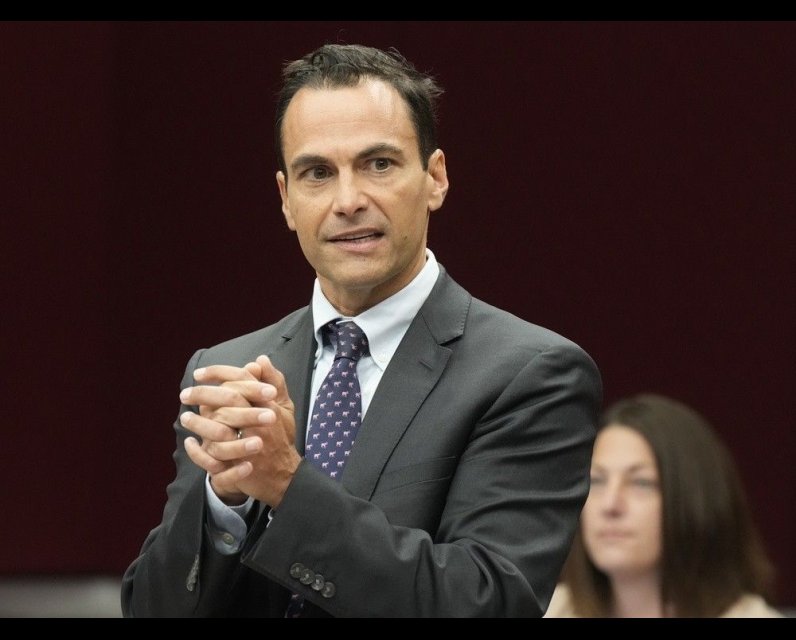
In a new report published Thursday, Jason Jacques, the interim Parliamentary Budget Officer (PBO), said the fiscal effect of meeting Ottawa’s commitment to hit the new NATO target of 5 per cent of gross domestic product (GDP) will ramp up gradually over the next decade and will eventually hike the federal debt-to-GDP ratio by 6.3 percentage points in 2035.
That additional spending on defence, largely a response to threats and policy changes by U.S. President Donald Trump, would boost the federal deficit by only about $3 billion during the 2026-27 fiscal year, but climb to a staggering $63 billion by 2035-36, according to the PBO, an independent officer who scrutinizes government’s raising and spending of tax dollars.
The Carney government has increased defence spending over the last nine months so that it is expected this year or next to reach the suggested NATO threshold of at least 2 per cent of each member’s gross domestic product (GDP).
In its first budget this past fall, the government said its defence spending will “put Canada on a pathway” to meet the NATO commitment of 5 per cent, a massive increase for a country that has typically spent well below of 2 per cent of its GDP on defence.
That commitment was first made last June during a NATO Leaders’ Summit in The Hague, Netherlands, where Carney vowed to increase defence spending to at least 5 per cent of GDP by 2035. That would include a target of 3.5 per cent of GDP for core defence spending and another 1.5 per cent for “ancillary” defence and security measures, such as infrastructure and innovation that could also be used for non-military or economic purposes.
But the government has not yet published fiscal projections affiliated with that pledge.
The PBO says extra spending on core defence measures would mean an additional $33.5 billion in additional annual spending over the next 10 years.
In its first budget unveiled last fall, the Carney government projected a deficit for this fiscal year of $78.3 billion, the third-highest in Canadian history and the largest ever in a non-pandemic year. The government also forecast an average deficit of $64.3 billion between this fiscal year and 2029-30, more than double what was projected about a year ago in the 2024 Fall Economic Statement. But those projections did not include most of the additional defence spending that has been planned.
Canada’s debt has soared in recent years.
In total, the federal government has now accumulated $1.27 trillion in debt, almost half of which has been added over the last five years. Even without most of the additional defence spending connected to hitting the NATO target of 5 per cent of GDP, Ottawa has added about $593 billion in debt over the last five years, or 46.7 per cent of the total debt accumulated in Canadian history.
National Post
Our website is the place for the latest breaking news, exclusive scoops, longreads and provocative commentary. Please bookmark nationalpost.com and sign up for our daily newsletter, Posted, here.

Unpublished Newswire

Comments
Be the first to comment