
Stay informed
Unpublished Opinions



New 2% tax hike on alcohol takes effect Wednesday
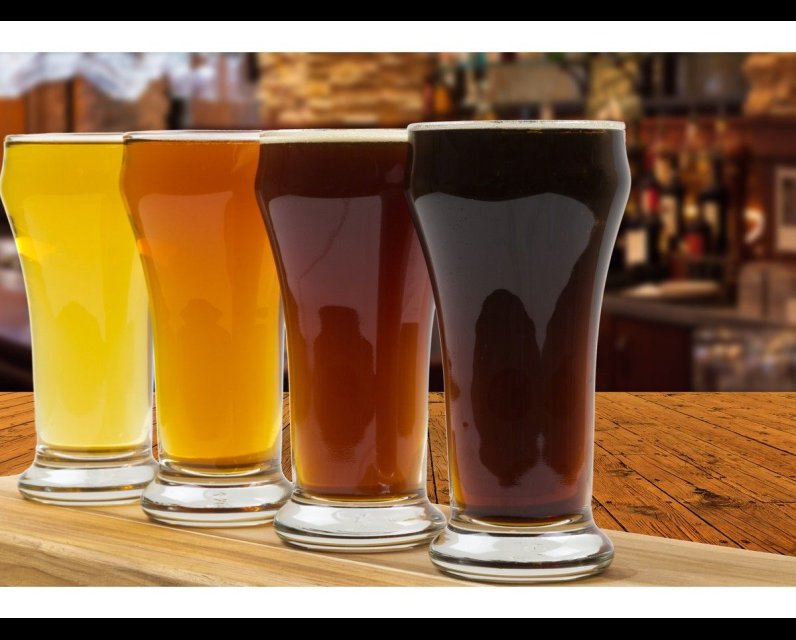
An imminent 2% federal tax hike on alcohol is coming under fire from critics who say it will only worsen Canadians’ affordability challenges and cost jobs.
The Canadian Taxpayers Federation estimates the 2% hike, taking effect April 1, 2026, will add about $41 million in extra tax revenue to Ottawa’s coffers. The hike is expected to cost consumers roughly a few cents per drink or a few dollars per case, but the exact amount will depend on what you buy and how producers pass the tax on to consumers.
Pierre Poilievre has criticized the annual pattern of alcohol tax increases.
“Carney Liberals are increasing taxes on beer, wine, and spirits without a parliamentary vote on April 1,” Poilievre posted on X on Friday. “That means higher prices for workers and more costs for our local brewers, wineries, and distillers.”
Carney Liberals are increasing taxes on beer, wine, and spirits without a parliamentary vote on April 1.That means higher prices for workers and more costs for our local brewers, wineries, and distillers.Sign to join Conservatives and scrap this automatic tax hike:… pic.twitter.com/mErym2GFWQ
— Pierre Poilievre (@PierrePoilievre) March 27, 2026
First passed in the 2017 federal budget, notes the CTF, the alcohol “escalator tax” automatically increases excise taxes on beer, wine and spirits every year — without a vote in parliament.
The tax increase is tied to the Consumer Price Index and automatically goes up in line with inflation. In 2023, high inflation would have meant an almost 6.3 per cent increase but the federal government capped the increase at 2 per cent to “provide tax relief for small businesses” linked to the alcohol industry, and the following year extended the cap into 2024-25 and 2025-26.
According to industry estimates, says the CTF, the tax increases have cost taxpayers an estimated $1.6 billion. The federation argues the automatic increase is “undemocratic” because taxpayers have no meaningful say each time it jumps. The CTF also says it’s bad timing to be increasing the tax, with consumers already under pressure from inflation and the high cost‑of‑living.
Brewing-industry voices and unionized brewery workers are warning the tax could reduce production, delay investment, and contribute to layoffs.
Beer Canada argues that the automatic 2% escalator keeps prices climbing, at a time when the cost of ingredients, packaging and energy are already high and beer sales are flat or falling. Workers across Canada’s brewing sector are making it clear, says Richard Alexander, president of Beer Canada. Automatic tax increases put good union jobs at risk, he adds.
“The momentum we are seeing from organized labour reflects the real economic pressure facing breweries, their employees, and communities across the country.”
In a mid-February letter, Teamsters Canada urged the Prime Minister to eliminate the automatic beer tax escalator.
“While our American neighbours are lowering taxes to support their breweries and their workers, Canada is moving in the opposite direction. The consequences are serious. Our plants are increasingly at a disadvantage, and the jobs of our members are at risk.”
Meanwhile, the hospitality industry fears higher prices will push customers to cut back on pints or switch to cheaper options, hurting sales at a time when margins are already tight.
Nova Scotia brewers and hospitality owners say they have already absorbed multiple tax‑driven price hikes and can’t keep raising menu prices without losing customers or shrinking their business.
“We can’t continue to raise our prices, but the government continues to raise their prices on us. So, it’s just not good for business overall,” says co-owner of Nine Locks, Danny Ohearn .
Our website is the place for the latest breaking news, exclusive scoops, longreads and provocative commentary. Please bookmark nationalpost.com and sign up for our daily newsletter, Posted, here.

Unpublished Newswire

Comments
Be the first to comment