
Stay informed



Top 20% of Canadian earners pay more than half of all taxes, says study warning against increasing rates
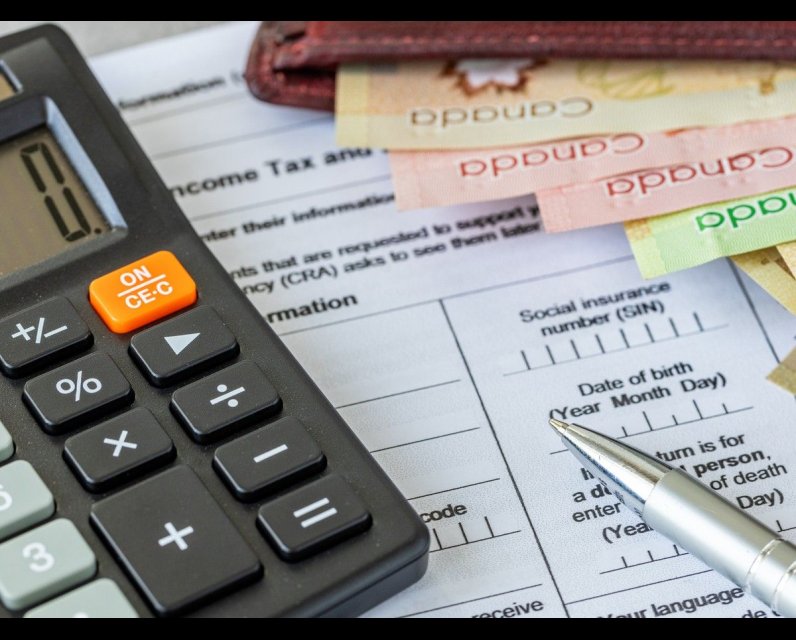
High-income families in Canada are paying a disproportionately large share of taxes, according to a new report from the Fraser Institute .
The report, which uses data from Statistics Canada’s Social Policy Simulation Database and Model (SPSD/M), shows that the top 20 per cent of income-earning families pay nearly two-thirds (65.3 per cent) of the country’s personal income taxes and more than half (58.3 per cent) of total taxes. This is more than their share of total family income in Canada, which is 49.5 per cent.
Meanwhile, the bottom 20 per cent of income-earning families are estimated to pay 0.7 per cent of all federal and provincial personal income taxes and 1.7 per cent of total taxes in Canada, while earning 4.3 per cent of the total family income.
In other words, the share of total income received by this group is over six times larger than their share of income taxes paid, the report says.
The Fraser Institute defines the top 20 per cent of income-earning families as those with an income of above $270,472, while the bottom 20 per cent are those that have an income of less than $63,068.
The report’s authors say the vast difference in tax burden is in part due to the progressivity of Canada’s tax system, where the share of taxes paid typically increases as income rises.
For instance, they say the bottom 20 per cent of income-earning families pay a 2.7 per cent average income tax rate, while the top 20 per cent pay an average tax rate of 23.1 per cent.
They also note that the findings challenge a common misperception in Canada that top earners do not pay their share of taxes, and that increasing taxes on this income group is an effective way to generate additional government revenue.
“The idea that top earners don’t pay their ‘fair share’ of taxes ignores the evidence that these families pay a disproportionately large share of the total tax bill,” Jake Fuss, director of fiscal studies at the Fraser Institute, said in a news release.
In fact, the top 20 per cent was the only group that paid a higher share of income tax than share of income, and also the only group that paid a higher share of total taxes than their share of income (total taxes includes things like sales taxes, property taxes, fuel taxes and liquor taxes).
Quintile 2, which includes Canadians with an income of between $63,089 and $111,354, paid 6.5 per cent of total taxes, compared to their 9.3 per cent share of total income. Quintile 3 paid 12.7 per cent of total taxes with 14.6 per cent of total income and Quintile 4, with an income of $171,299 to $270,472, paid 20.8 per cent of total taxes compared to a 22.3 per cent share of total income.
Meanwhile, previous research has shown that tax increases on top earners can result in behavioural changes that reduce taxable income through tax planning, avoidance, or evasion, according to the report, which results in governments raising less revenue than anticipated.
The authors cite a 2019 study that used historical Canadian data to investigate responses to the federal government’s tax increase on high earners. It found that a one percentage point increase in the top personal income tax rate is associated with a reduction of taxable income of 0.5 per cent.
Raising taxes on high-income earners ignores these economic consequences, the report says.
The report also notes that tax increases reduce Canada’s competitiveness with other industrialized countries, particularly the United States. It says that increasing taxes on top earners makes Canada a less attractive place to live and to work for highly skilled people such as doctors, scientists, managers, and software engineers.
In conclusion, the report warns that if the federal government or certain provinces decide to further increase current tax rates on the top income earners, they are likely to yield less revenue than expected.
“Canadians should be aware that the country’s tax system is already progressive, and calls to raise taxes further on top earners can have unintended economic consequences,” Fuss said.
Our website is the place for the latest breaking news, exclusive scoops, longreads and provocative commentary. Please bookmark nationalpost.com and sign up for our daily newsletter, Posted, here.

Unpublished Newswire



Comments
Be the first to comment