
Stay informed


Former CBC human resources employee sues over workplace so toxic staff were given a 'crying room'
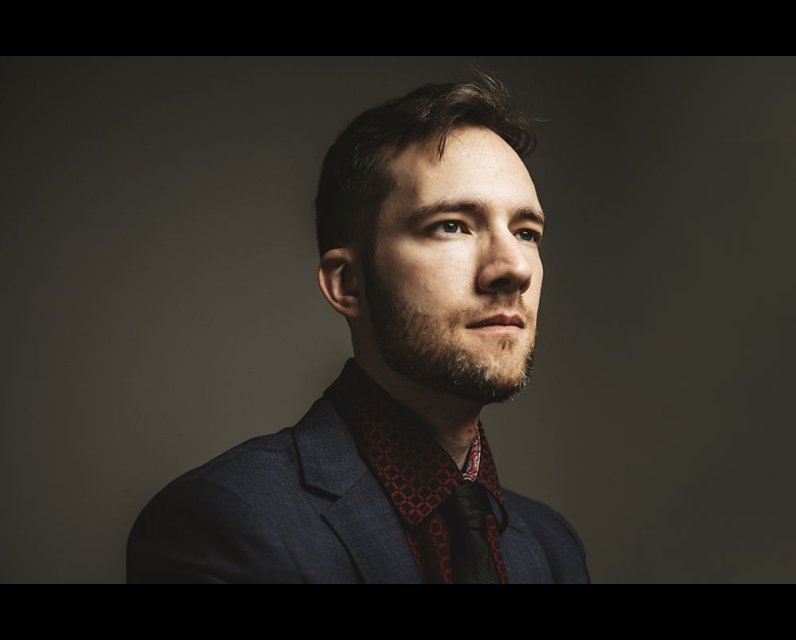
A former CBC human resources employee is suing the national broadcaster claiming he was forced to leave a work environment so toxic and discriminatory there was a designated “crying room” so employees could deal with office stress.
The lawsuit also alleges CBC management in its northern operations kept a secret “do not hire” list that disproportionately blacklisted marginalized, disabled and Indigenous people.
Karl Johnston worked in human resources with CBC North based in Yellowknife, N.W.T., from 2018 until 2023.
His title was senior specialist in talent acquisition for CBC North. His work included designing and implementing human resource strategies, advising on business operations, mentoring and training staff, directing external communications, and other tasks, according to his statement of claim.
He said in a lawsuit that he was forced to quit in 2023, alleging he was “constructively dismissed” after being “subjected to a toxic work environment condoned by CBC.”
When Johnston arrived to start his job at CBC North five years earlier, he walked past an empty office adjacent to the newsroom and asked if that was his new office. A CBC human resource staff member laughed and told him the office was the “crying room” where employees would go to cry to help cope with workplace stress, he says in his statement of claim.
“This set the tone for a workplace culture that tolerated and perpetuated toxicity, discrimination, and harassment,” Johnston’s lawsuit alleges.
His suit was filed in the Supreme Court of Northwest Territories in October. None of the allegations have been proven in court.
Chuck Thompson, the CBC’s head of public affairs, said the broadcaster disputes the allegations and intends to defend against the suit. He said he could not answer specific questions about the allegations because they concerned an active lawsuit.
Thompson said Johnston voluntarily resigned from CBC on Oct. 27, 2023. That date is ten days before Johnston says he left.
Johnston’s lawyer, Kathryn Marshall, said the lawsuit raises questions not only about her client’s treatment, but about the CBC as an institution.
“I think this case exposes the very concerning toxic work culture within our national broadcaster. The fact that there was a ‘crying room’ I think is shocking. I’ve never seen anything like that before in any workplace.
“It really demonstrates that there’s something very wrong and broken at CBC within their work environment that they need to fix. I think what happened to him was appalling,” Marshall said.
“My client was trying to speak out. He was trying to blow the whistle and people would come to him with their own stories of things that were happening within CBC, and he would try to advocate for them.
“It was for him like talking to a wall.”
Johnston’s salary when he left CBC was $92,000, plus an annual bonus of $5,520, an isolated living allowance of $25,867 and $1,956 in paid leave travel assistance. His lawsuit seeks 12 month’s salary and benefits in lieu of notice of job loss, as well as $300,000 in damages for various alleged breaches of duty and contractual obligations.
In 2021 Johnston had a short-term disability leave for back and pelvic surgeries. While he was recovering from multiple procedures, he claims he was contacted by CBC management saying things were collapsing without him and he felt pressured to return to work earlier than recommended, fearing workplace reprisals.
When he returned he advocated for better disability accommodation policies and support within the broadcaster, but was “met with resistance,” his claim says.
“Managers often pushed back against accommodating employees with disabilities, and Mr. Johnston received no support from human resources,” his claim says. It wasn’t just about him; multiple times “he learned of a manager not hiring or interviewing a candidate after learning they were disabled,” he claims.
Johnston said the poor workplace environment led to complications to his surgical recovery, including severe pain which prevented him from sitting. He went on another disability leave in 2022.
Management pressed him to abandon working from home to return to the office against his doctor’s recommendations, he claims, and he was told not to talk to colleagues about his treatment because he was in a “leadership position.”
He claims that during his work in human resources he “noticed a disproportional number of marginalized candidates added to the ‘do not hire’ list, and he was pressured to add (an Indigenous journalist) to the list.”
Such a list, he claims, was “unethical” and strenuously kept secret. It was kept on personal laptops not CBC computers and it was not to be referenced in internal emails “to avoid access to information requests.” He was also forbidden to discuss it with colleagues, he claims in his lawsuit.
In his claim Johnston said he witnessed discrimination at CBC against others, which he reported up the chain of command.
This included: “racial discrimination against racialized and Indigenous employees, including inappropriate questions and conduct during hiring processes”; managers refusing to “interview or hire candidates with disabilities,” including an Inuit candidate dismissed because a manager speculated they were autistic or suffered anxiety; and management refusing to implement his request that employment equity information be hidden from hiring managers in the tracking system.
He said he was also warned by a colleague that he was being secretly monitored by his bosses ahead of a visit to the CBC North’s office by the CBC’s president at the time, Catherine Tait, after Johnston said Tait’s salary should be disclosed to the public and managers should not receive a bonus during job cuts.
Johnston said his employment became untenable when he was told to “stay in his lane” after raising the toxic work environment, sidelined from leadership, and pressured to stop emailing reports of his concerns to avoid information requests.
“This treatment exacerbated his anxiety and led to a decline in his mental health, ultimately leading to his involuntary resignation,” his suit claims.
There is no court date yet set for hearing the claim.
• Email: ahumphreys@postmedia.com | Twitter: AD_Humphreys
Our website is the place for the latest breaking news, exclusive scoops, longreads and provocative commentary. Please bookmark nationalpost.com and sign up for our daily newsletter, Posted, here.

Unpublished Newswire

Comments
Be the first to comment