
Stay informed



Budget watchers expect lower deficit than projected, but warn government should keep its fiscal powder dry
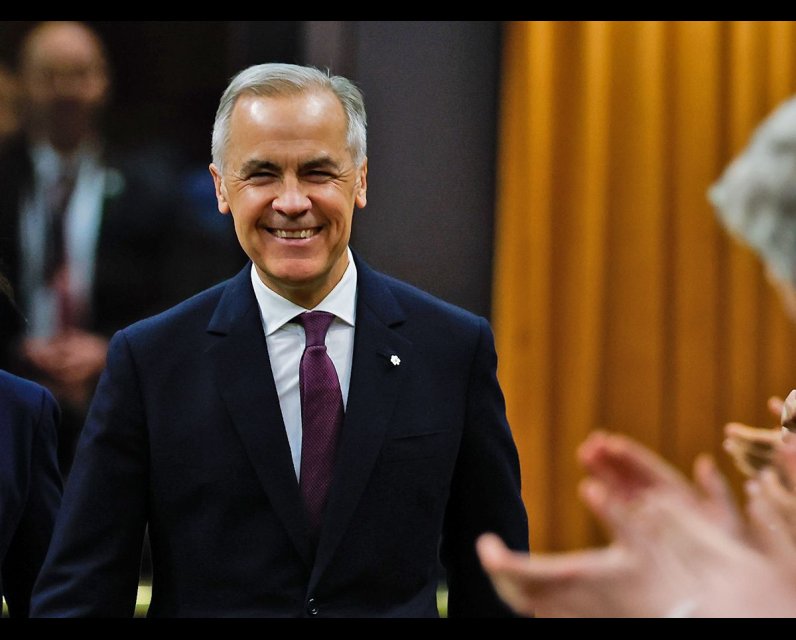
OTTAWA — Fiscal analysts expect the federal deficit in Tuesday’s spring economic update to be less than what was initially projected, thanks to higher revenues and revised GDP figures.
“I’m anticipating that they will show better numbers than in November 2025 Budget,” said Kevin Page, president and CEO of the Institute of Fiscal Studies and Democracy at the University of Ottawa.
“The deficit would be lower in 2025-2026 than projected and probably lower this year, even though there’s an enormous amount of uncertainty where things will end up in 2026-2027 because of a number of factors,” Page added.
Budget 2025 projected a budget shortfall of $78.3 billion for the 2025-2026 fiscal year, one of the largest deficits ever posted outside of the pandemic. The budget has the deficit declining to $65.4 billion for the current fiscal year.
But Statistics Canada released upward revisions to nominal GDP after the federal budget, showing better economic growth in 2025, which means nominal GDP was 2.2 per cent higher by the end of the fiscal year than what was projected in the fall. Increased oil revenues due the Iran conflict which began in late February, is also expected to boost the federal government’s fiscal picture.
The government’s fiscal monitor showed Ottawa ran a deficit of $25.5 billion between April 2025 and February 2026, which is well under forecast with only one month remaining in the fiscal year.
During a press conference on Monday, Prime Minister Mark Carney said Canadians should expect “good news” in Tuesday’s update with regards to the government’s deficit targets and spending performance.
When asked about the better-expected-deficit, Carney said it was because his government are “good fiscal managers.”
However, economists have pointed out there are many spending pressures that will eat away at the federal government’s fiscal room, which include the Canada Groceries and Essentials Benefit which is estimated to cost $12.4 billion over five years, the gas tax holiday from mid‑April through Labour Day which is estimated to come at a cost of $2.4 billion and defence spending pressures.
“Risks loom on the horizon, and the Government of Canada would be wise to keep some fiscal powder dry if it needs to confront them,” said Desjardins economists Randall Bartlett and LJ Valencia, in a note.
Page said it’s hard to “feel confident” about the federal government hitting its fiscal anchor target of balancing the operating budget in three years. Fall’s budget included a promise to cut $60 billion in operational spending over the next five years, with departmental plans announcing a reduction in full time employees in the federal public workforce.
“I think they need guardrails, and they need some kind of reserves around these targets that get us to an operating budgetary balance,” said Page. “They should be putting some padding in these numbers.”
Bank of Nova Scotia economist Rebekah Young said while Canada remains in a relatively better fiscal situation than our G7 counterparts, the upcoming review of the Canada-United-States-Mexico-Agreement (CUSMA) presents a downside risk to the government’s forecasts.
In addition, Young would like to see how Canada plans to meet its new spending target under its North Atlantic Treaty Organization’s (NATO) obligations, which includes 3.5 per cent of GDP towards core military spending and 1.5 per cent towards broader defence and security-related investments by 2035.
“Budget 2025 added $81.8 billion over five years—including $6.6 billion to launch Canada’s Defence Industrial Strategy—but stopped short of laying out a clear fiscal path to the 3.5 per cent core target,” said Young, in a note.
“The Parliamentary Budget Officer estimates that meeting this benchmark could require roughly $159 billion in annual defence spending by 2035–36, implying a sizeable gap relative to currently specified plans,” she added.
Page said he doesn’t see any way other way than tax increases to solve the government’s revenue problem, adding that Ottawa needs to launch a conversation about tax reform.
Conservative Leader Pierre Poilievre sent a letter to Carney laying out his party’s recommendations for where the federal government could cut spending to achieve a better fiscal picture.
The suggestions include cancelling the $90-billion Alto rail project, scrapping the $742-million-gun buyback program, cutting back on government consultants, lowering foreign aid expenditures, closing tax havens and reducing spending on federal bureaucracy which totaled $65.8 billion this year, according to the Conservatives.
Conservative finance critic Jasraj Singh Hallan said he is skeptical the Liberal government will meet the goals set out in its spending review and is concerned about the cost of servicing Canada’s debt.
“We spend more to service the debt that these guys have accumulated than what we spend on health care transfers,” said Hallan, adding that Carney has doubled the deficit under former prime minister Justin Trudeau.
“That’s what leads to higher taxes for Canadians,” he added. “That’s why now, an average Canadian household, pays more in taxes than they do on food, shelter, clothing and necessities combined.”
National Post
Our website is the place for the latest breaking news, exclusive scoops, longreads and provocative commentary. Please bookmark nationalpost.com and sign up for our newsletters here.

Comments
Be the first to comment